
AI Prospecting: How to Use AI for Sales Prospecting
Gen-X Team · Published · Updated · 8 min read
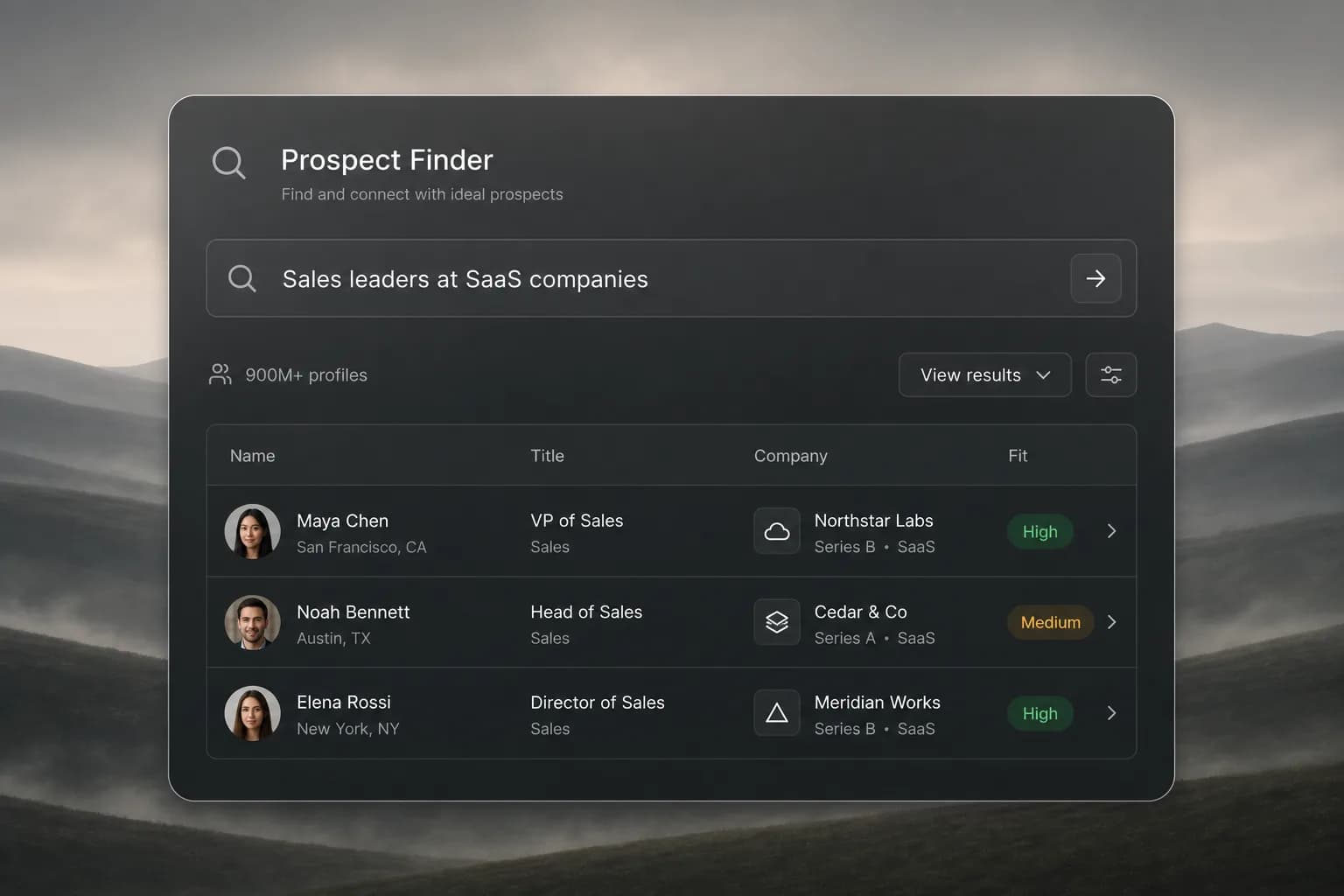
In short: To use AI for sales prospecting, describe your ICP in plain language, check the filters the AI infers, enrich only the fields you need, and review evidence-based outreach before it is sent.
Begin with an ICP a seller can explain
Write the ideal customer profile in business language before converting it into database filters. Define the companies that get value, the people involved in the decision, disqualifying conditions, and the events that create a reason to engage now.
Separate required attributes from ranking signals. Industry, geography, company size, role, and seniority may decide eligibility. Hiring, technology changes, funding, engagement, or a new executive may raise priority. AI works better when those two jobs are not collapsed into one opaque score.
Translate the description into transparent search criteria
Natural-language search can turn an ICP description into structured criteria and make audience building faster. Always check the interpreted filters before accepting the list. Confirm that inferred job functions, locations, industries, and company ranges match the commercial definition.
The useful workflow is iterative: describe the buyer, review a small sample, tighten the criteria, and keep the reason each selected person belongs in the audience. Treat the first list as a draft, not a result.
Enrich for the next decision
Do not collect every available field by default. Enrich the values required to qualify, route, and contact the prospect. Record the source and verification time for information that can change, including role, employer, contact channel, and company attributes.
Route unclear records to review instead of filling gaps with generated guesses. A smaller list with visible confidence and usable context will usually outperform a larger one that forces every rep to repeat the research.
Prepare outreach from evidence
Use the facts that created fit or timing: the person's responsibilities, a relevant company initiative, a recent event, or prior engagement. Ask AI to connect that evidence to a short hypothesis, then let the seller check the message before it reaches a high-value account.
Keep stop rules close to the outreach. A reply, meeting, disqualification, ownership change, or active opportunity should stop the prospect from continuing through a generic sequence. Personalization depends on coordination as much as on generated language.
AI prospecting with Prospect Scout
In Gen-X, prospecting starts with a chat message. Ask Prospect Scout to find 50 heads of marketing at DTC brands in Germany, and it returns verified leads with the reason each one matched. If the sample is off, say so in the same thread and it narrows the search. You do not build filters by hand.
The rest of the team picks up from there. Leads Manager adds the approved leads to your pipeline, Campaign Manager drafts an email sequence from the evidence, and LinkedIn Assistant can run LinkedIn outreach through a Chrome extension. You decide which of those actions need your approval. Schedules let the agents keep prospecting overnight, and the Daily Brief at 08:00 tells you what they found.
Measure prospecting quality
Track accepted matches, enrichment coverage, corrections, positive replies, qualified meetings, and pipeline created. Measure the time from ICP definition to an action-ready audience and how often sellers reopen outside sources before contacting someone.
Start with one segment and review false positives with sales each week. Update the criteria before adding volume. AI improves prospecting when it makes the reasoning faster and clearer, not when it simply produces more names.