
AI Lead Generation: A Practical B2B Guide
Gen-X Team · Published · Updated · 9 min read
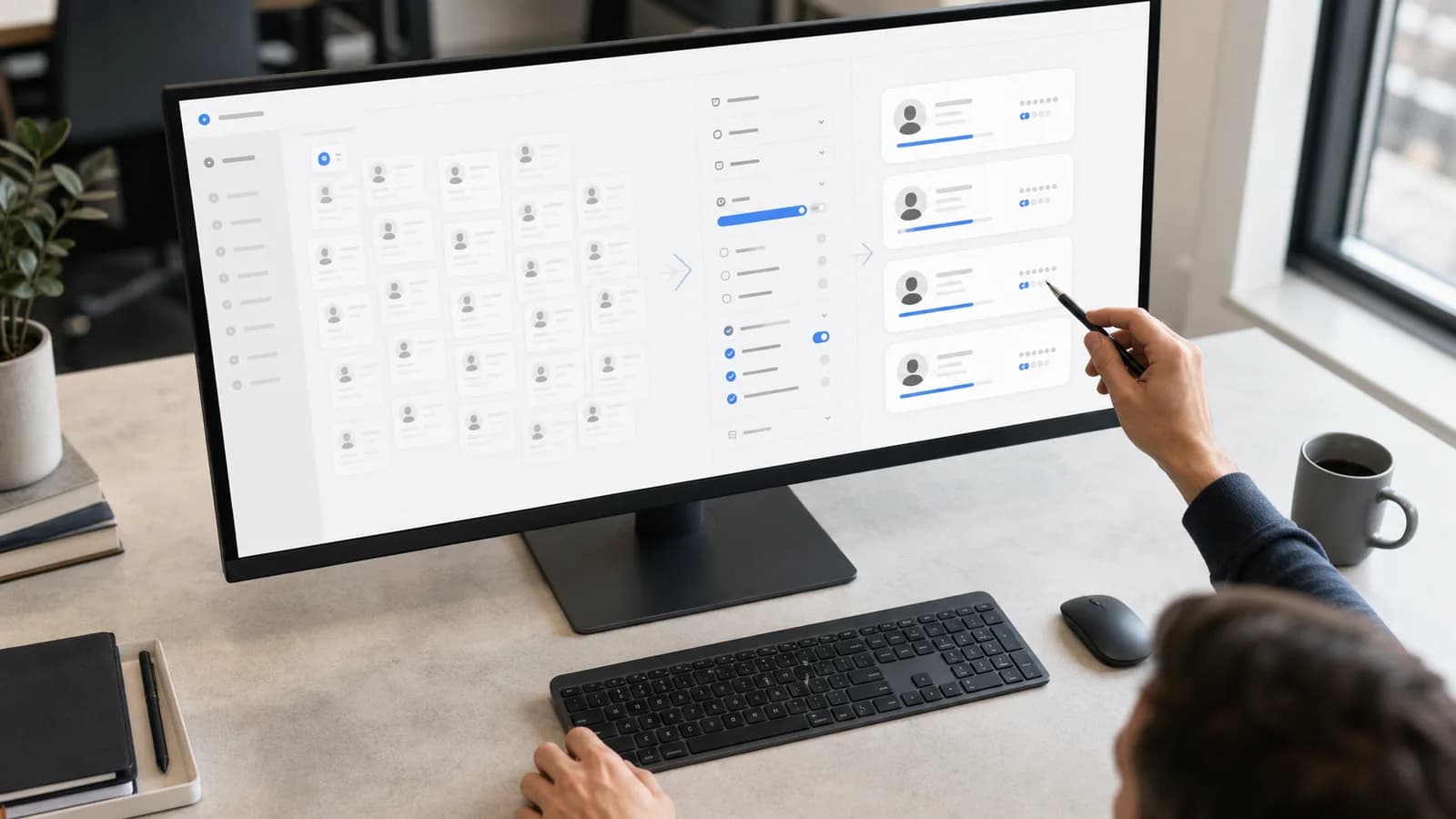
In short: AI lead generation uses AI to turn your ideal customer profile into a verified list of likely buyers, explain why each one fits, and prepare outreach a person can review before it is sent.
What is AI lead generation?
AI lead generation is the use of AI and connected sales data to identify potential buyers, enrich their records, assess fit, and prepare the next action. It can turn a written ideal customer profile into search criteria, compare large prospect sets, surface useful buying signals, and help a rep write outreach grounded in real account context.
The best systems do more than produce a long list of names. They reduce the work between defining a market and starting a qualified conversation. Human judgment still matters where context is incomplete, positioning is sensitive, or a high-value account deserves deeper research.
Begin with a specific ideal customer profile
AI cannot rescue a vague market definition. Start by documenting the companies that get the most value from your product and the people involved in the buying decision. Include firmographic criteria such as industry, company size, geography, and business model, then add role, seniority, department, and likely responsibilities.
Separate required criteria from useful signals. A required criterion decides whether an account belongs in the audience. A useful signal, such as hiring activity, a new executive, a technology change, or recent engagement, helps explain why the timing may be right. This keeps the search broad enough to find opportunities without filling the pipeline with weak matches.
Use AI to find and enrich likely buyers
Natural-language prospecting can translate a description of the ideal buyer into structured filters, which makes audience building faster for teams that do not think in database fields. The results should stay transparent. Reps need to see why a person matched, which criteria were inferred, and where important values came from.
Enrichment should add only the information required for the next decision. Useful fields may include verified contact details, current role, company attributes, relevant technologies, recent events, and relationship history. Store the source and verification date for important values so the team can judge freshness.
Score leads with evidence your team can inspect
A practical lead scoring model combines fit, timing, and engagement. Fit measures how closely the account and contact match the ICP. Timing captures recent changes that may create a reason to act. Engagement reflects direct behavior such as a reply, an inbound inquiry, a meeting, or a high-intent website visit.
Keep the model understandable. Reps should know why a lead received a priority score and which missing data could change it. Review false positives and false negatives with sales every week during the early rollout. A simple model that earns trust will create more pipeline than an opaque one.
Turn research into relevant outreach
AI can summarize account context, identify a plausible business problem, and draft a short opening message. The evidence used in the message should come from verified facts, not invented personalization. A useful draft connects a real observation to a relevant outcome and gives the recipient a clear reason to respond.
Match review requirements to risk. Reps can approve messages for strategic accounts, regulated markets, or unfamiliar signals, while well-tested low-risk plays can run with less review. Stop outreach when a prospect replies, books a meeting, is disqualified, or enters an active opportunity.
AI lead generation with a team of agents
Gen-X splits lead generation across AI sales agents you chat with like coworkers. Prospect Scout finds and verifies leads from a plain brief. Leads Manager keeps them in your pipeline and flags the ones that went quiet. Campaign Manager writes and runs the email sequence, and LinkedIn Assistant handles LinkedIn outreach through a Chrome extension. Inbox Manager sorts the replies in Gmail or Outlook and books meetings on your calendar.
You can put these agents and your teammates in one thread and give the team a goal, such as booking 20 demos by 31 Oct. Gen-X, the team lead, plans the work and hands it out. You decide per agent and per action what needs your approval, and every action is logged in the thread.
Measure qualified conversations, not generated records
Track the percentage of leads that meet the ICP, enrichment success, data freshness, positive reply rate, meetings created, and pipeline generated. Also measure how often reps reject an AI recommendation and why. These outcomes show whether the system is improving judgment or only increasing activity.
Start with one audience, one offer, and one complete workflow. Compare the time and conversion rate from market definition to qualified conversation, then fix the weakest stage before expanding. AI lead generation works when it gives sellers a smaller set of better opportunities and enough context to act with confidence.