
AI Sales Workspace vs an AI Agent Team
Gen-X Team · Published · Updated · 7 min read
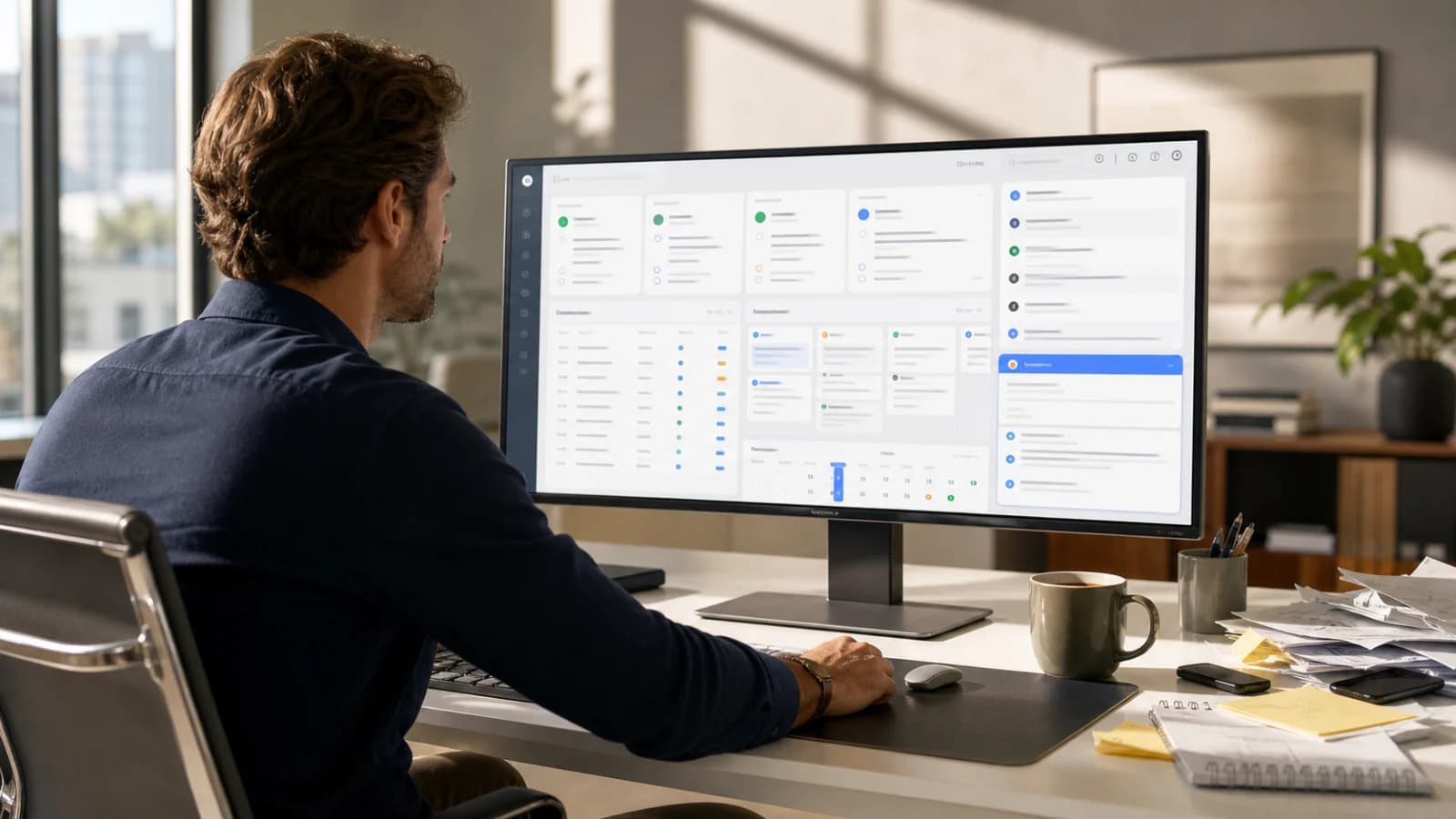
In short: An AI sales workspace puts sales tools in one place and adds AI help inside them. An AI agent team goes further: specialized agents do the work, hand tasks to each other, and ask you to approve what matters.
What an AI sales workspace promised
The first answer was the AI sales workspace: one connected environment where teams find prospects, enrich records, run outreach, manage follow-up, and update pipeline, with AI help grounded in real sales context. Unlike a standalone writing tool, it could see the account, the contact, and prior activity.
That was a real improvement. Generic AI can draft a message. Workspace-aware AI can suggest which account deserves attention and why. But the rep still had to open every screen, run every step, and remember what came next. The AI helped inside the work. It did not do the work.
AI sales workspace vs an AI agent team
An AI agent team changes who does the work. Instead of one assistant sitting inside a set of screens, you get several AI sales agents, each with a clear job, that you brief in chat like coworkers. They share one thread, pass work to each other, and come back to you when a decision needs a person.
The difference shows up in daily use. In a workspace, you build the list, write the sequence, and check the inbox yourself, with AI suggestions along the way. With an agent team, you set a goal and review the results. The agents keep working between your check-ins, and schedules can keep them running overnight.
| Aspect | AI sales workspace | AI agent team |
|---|---|---|
| Who runs the steps | The rep, with AI help | Agents, with your approval |
| How you work with it | Screens, filters, and forms | Chat, like a teammate |
| Handoffs between stages | Manual, by the rep | Agents hand work to each other |
| Work outside hours | Stops when you log off | Schedules keep agents working |
| Control | You click every action | You choose what needs your yes |
How an AI agent team works in Gen-X
Gen-X gives you a crew of AI sales agents. Gen-X is the team lead: it plans and splits work and sends a Daily Brief at 08:00. Prospect Scout finds and verifies leads. Leads Manager tracks leads and pipeline and flags deals that went quiet. Campaign Manager runs email sequences. Inbox Manager sorts and answers replies in Gmail or Outlook and books meetings. LinkedIn Assistant handles LinkedIn outreach, Social Assistant drafts and schedules posts, and Creative Assistant makes campaign visuals.
With Agent Teams, you put agents and human teammates in one thread and give the team a goal, such as booking 20 demos by 31 Oct. People @mention agents and agents @mention people. Autopilot keeps the goal moving. You decide per agent and per action what needs your approval, such as emails, posts, or anything that spends money, and you can approve from Gen-X, Slack, or WhatsApp. If no agent fits a job, you can describe one, give it skills and instructions, test it in the Agent Playground, and add it to the team without code.
What to look for in an AI agent team
Start with control. You should be able to set approvals per agent and per action, edit drafts before they go out, and see every action in a log. Autonomy is only useful when you can see and limit it.
Then check integration depth. The agents should work inside the tools you already use, such as Gmail, Outlook, Google Calendar, HubSpot, Slack, and LinkedIn, rather than asking you to move your work somewhere new. Finally, check that the agents share context, so a reply Inbox Manager handles is visible to the agent running the campaign.
A better measure of sales productivity
The goal is not the largest number of automated touches. It is more of a rep's day spent on qualified conversations and well-timed follow-up. Measure time from signal to first action, the share of records with usable context, follow-up completion, positive replies, and pipeline created from prioritized accounts.
The workspace model reduced tab switching. The agent team model reduces the work itself: fewer handoffs, cleaner context, faster decisions, and follow-up that keeps going after you log off. That is why the AI sales workspace is turning into a team you chat with.