Sales operations
The Case for an AI Sales Workspace
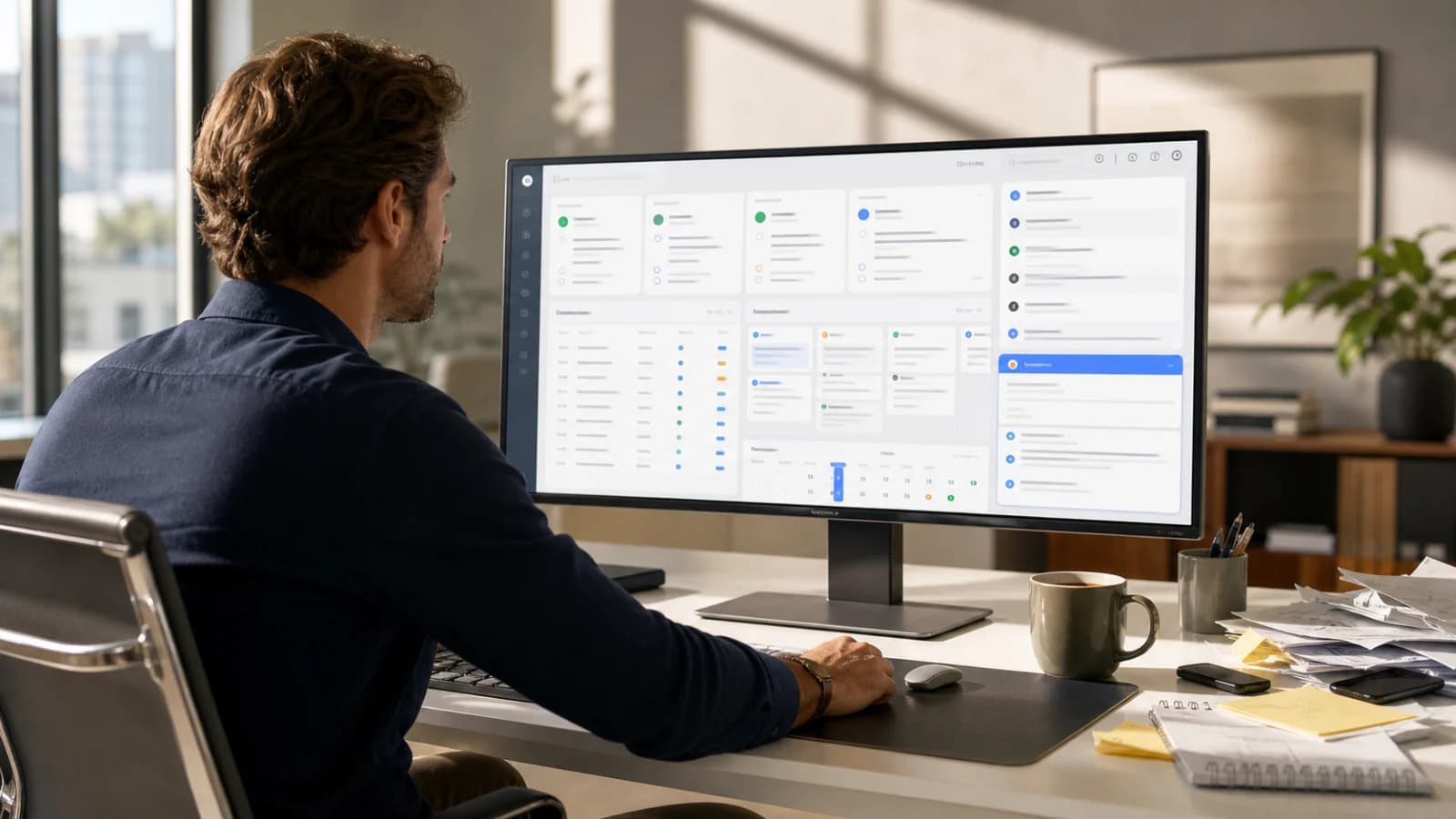
Learn how an AI sales workspace unifies prospecting, outreach, and pipeline context so revenue teams can turn signals into action faster.
Sales teams have more software, but less shared context
Modern go-to-market teams rarely suffer from a lack of tools. They have prospect databases, email sequencers, calendars, call notes, task managers, and a CRM. The problem is that every system holds a different fragment of the customer story. Reps spend their day carrying information between tabs instead of moving conversations forward.
That fragmentation creates operational drag. A useful buying signal may appear in one tool, account history lives in another, and the next action depends on details buried somewhere else. By the time a rep assembles the context, the moment may have passed. An AI sales workspace addresses this coordination problem by giving research, execution, and pipeline activity one operating layer.
What is an AI sales workspace?
An AI sales workspace is a connected environment where GTM teams find prospects, enrich records, run outreach, manage follow-up, and update pipeline with AI assistance grounded in their real sales context. Unlike a standalone writing assistant, it can understand the account, the contact, prior activity, and the workflow a rep is trying to complete.
The distinction matters. Generic AI can draft a message. Workspace-aware AI can help determine which account deserves attention, surface the reason to contact it now, prepare a relevant message, and keep the resulting activity attached to the opportunity. The value is not more generated text; it is less distance between signal and action.
The operating layer between data and conversation
A useful sales workspace connects three jobs that are usually separated. First, it organizes prospect intelligence: verified contact data, company context, fit indicators, and recent signals. Second, it coordinates execution through campaigns, email, meetings, and tasks. Third, it preserves pipeline context so every action contributes to a visible commercial outcome.
When these jobs share one model, teams can build repeatable workflows without flattening the judgment that good selling requires. Automation handles collection, routing, and preparation. Reps remain responsible for the decisions and conversations where human judgment creates value.
What to look for in an AI sales platform
Start with workflow continuity. A platform should carry context from prospecting into outreach and from outreach into pipeline, without forcing teams to export spreadsheets or rebuild segments. It should expose data freshness, make AI output reviewable, and let operators control when actions happen automatically.
Integration depth is equally important. The workspace should complement the systems your team already relies on, not create another isolated source of truth. Look for clear permissions, reusable automations, visible activity history, and AI that can cite the records behind its recommendations.
A better measure of sales productivity
The goal is not to maximize the number of automated touches. It is to increase the share of a rep's day spent on qualified conversations and well-timed follow-up. Measure time from signal to first action, the percentage of records with usable context, follow-up completion, positive replies, and pipeline created from prioritized accounts.
An AI sales workspace earns its place when it makes the whole system easier to operate: fewer handoffs, cleaner context, faster decisions, and more consistent execution. That is the case for a workspace—not AI as another feature, but AI as connective tissue for the work a revenue team already needs to do.